
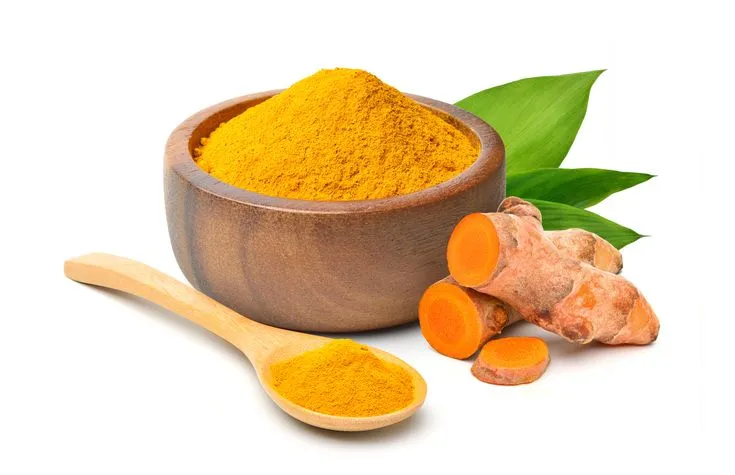
Turmeric is well-known for its vibrant yellow hue and its natural plant-based origin, which renders it an important component in the manufacturing of naturally coloured food products. But for food color applications, it is not enough to choose an extract that has an appropriate appearance of turmeric. Prior to approval for manufacture, manufacturers should take into account the concentration of curcumin, the application requirements, processing conditions, quality documentation, consistency and supply capabilities.
Understanding Turmeric Extract
The turmeric extract manufacturer products may vary based on the raw material, extraction method, concentration and target application. Natural turmeric contains curcuminoids, of which curcumin is the main pigment responsible for the yellow color of the turmeric.
The intensity of color and the dose required may be affected by the concentration of these coloring compounds. Technical specifications should therefore be examined by the manufacturer instead of just looking at the appearance of the extract.
A concentrated sample may also appear much more potent than the color that is obtained when it is incorporated into the final product.
Evaluate Turmeric Color Requirements
In appropriate food applications, Turmeric Color can be used to give a yellow to golden yellow color. The intensity of the color should be determined before choosing an ingredient, since the desired shade may need different levels of intensity.
Food manufacturers need to take into account whether the color is to be used in beverages, sauces, bakery products, snacks, seasonings, dairy products or other formulations. Different dispersion and color performance requirements can be required for each food matrix.
Direct testing of the ingredient in the intended product will give a more accurate idea of the final appearance.
Check Curcumin Concentration
An important factor to note when looking at turmeric-derived color ingredients is curcumin concentration. Increased concentration may impact the amount needed to reach the desired shade, but concentration should not be evaluated without taking formulation performance into account.
Manufacturers should read the concentration, dosage, physical form and instructions for use given by the supplier.
To find the right tint strength, recipe match, and plant performance, real lab runs across a few mix rates can help product teams a lot.
Consider the Food Matrix
The behavior of turmeric-derived color may be affected by the surrounding food formulation. Fats, oils, proteins, acids, sugars and minerals can impact dispersion and final appearance.
A dry seasoning system, for instance, might need handling characteristics to be different from a beverage or sauce. Therefore, it is important that manufacturers determine the entire food matrix in order to choose a specific extract.
This application-first strategy minimizes the risk of selecting an ingredient that might be the correct color in a laboratory sample but would not work as well in production.
Review Processing Conditions
The processing conditions should be considered prior to commercialization. Natural color performance may be affected by heating, mixing, baking, pasteurization and other production processes.
Manufacturers need to evaluate turmeric-based ingredients in situations that closely simulate the actual manufacturing process. The processing time should also be taken into account, as it is possible that the results obtained during a long processing period may differ from those obtained in a short period of laboratory processing.
If the finished product has a long shelf life or is exposed to light and temperature changes, then storage conditions should be included.
Assess Quality Documentation
Technical documentation is essential for reliable sourcing. Manufacturers should check the product specifications, concentration information, recommended use, storage instructions, shelf life and other quality information.
Buyers may also need documents on allergens, microbiological parameters, heavy metals, identity and batch testing depending on the application and market.
Standard documentation provides a valuable guide for procurement and quality control departments to assess samples and to approve future production runs.
Evaluate Supply Consistency
Reliable access to approved ingredients is needed for commercial production. Production capacity, packaging, lead times, batch consistency and the supplier’s ability to respond to changing order volumes are all factors manufacturers should take into account.
Communication is also key. Having a supplier who can supply the technical information in time can make formulation development and procurement more efficient.
Buyers need to be aware of the supplier’s typical product specifications and future product management prior to bulk purchasing.
Test Before Bulk Purchasing
A turmeric extract should undergo laboratory testing prior to approval for larger quantities of production. The actual food formulation and processing conditions can be used to test samples.
Manufacturers can make comparisons of shade, dosage, dispersion, processing response, storage appearance and overall compatibility. These results are recorded and provide a handy reference for procurement and quality teams.
This can aid in more informed sourcing decisions and aid manufacturers to set consistent requirements for future purchases.
Conclusion
Decisions on sourcing turmeric-derived color should be made in conjunction with other factors such as concentration, application compatibility, processing, documentation and supply consistency when developing naturally coloured food products. A carefully designed test and supplier evaluation process can help to create a more dependable sourcing process for ingredients. FoodRGB.com offers the opportunity to look at the various natural food coloring ingredients available and to speak with a suitable technical partner about specific production requirements.