
Before You Call: Quick Safety and Location Checks
If you’re stranded on the shoulder, the first priority is staying safe and visible. Turn on hazard lights, move passengers to a safer area away from traffic when possible, and keep your seatbelt on. If you have flares roadside or a reflective triangle, place them according to local guidance so drivers can spot you in time. Avoid standing directly in the path of oncoming vehicles, especially on curves or high-speed roads.
Next, verify your exact location so the dispatcher can route help without delays. Note the nearest cross street, exit number, or mile marker, and check your phone’s map for a precise pin. If service is spotty, write down the address of the last landmark you passed and describe what you see. For added clarity, mention whether your vehicle is in a lane, partially off the roadway, or fully in a safe pull-off area.
Common Breakdowns and What to Do Immediately
If the engine won’t start, check whether you have warning lights on the dash and listen for clicking or grinding sounds. If the vehicle overheats, stop driving immediately, turn off the engine, and wait before checking coolant, since hot components can burn you. For transmission issues, avoid repeated attempts to move the vehicle and prioritize getting assistance.
If you’re dealing with a flat tire, confirm the spare is properly inflated and not damaged before attempting the change. Park on level ground whenever possible, set the parking brake, and use wheel wedges if available. For a dead battery, try basic checks first, such as ensuring the headlights and interior lights are off and verifying the battery terminals are connected. If you suspect corrosion or loose connections, wait for professionals rather than forcing repairs that could spark.
How to Request Towing and Assistance Effectively
Share the make, model, and year, along with what happened and how long you’ve been waiting. Mention whether you’re experiencing a no-start condition, a fuel shortage, a flat tire, a battery issue, or a mechanical failure. If your vehicle is automatic or has special towing requirements like all-wheel drive considerations, say so early.
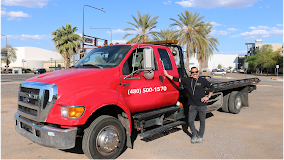
Be specific about accessibility and hazards, such as whether the vehicle is on a shoulder, in a ditch, or near construction zones. If you’re in Chandler or nearby areas across Arizona, include your cross street and any visible landmarks. If towing is needed, ask about the best arrival plan based on your location and whether you prefer a flatbed or another towing method. A good dispatcher will confirm safety steps, estimated timing, and the type of assistance being sent.
Practical Steps While You Wait for Help
Once assistance is on the way, keep your environment organized to reduce risk and speed up the process. Stay inside the vehicle if it’s safer behind locked doors, but only if the roadway is truly dangerous and you have good visibility. If you can safely exit, keep a reflective vest handy and stand away from traffic lanes. Avoid using emergency equipment in a way that distracts you from watching oncoming cars and maintaining awareness.
Prepare essential information so the technician can diagnose faster when they arrive. Gather your registration, insurance details, and any notes about what you tried, like jump-start attempts or thermostat warnings. If you have tools, place them where the technician can access them without you crossing lanes. For fuel assistance, keep track of how much fuel you believe remains and whether you’ve already attempted to refill—this helps prevent repeated trips and delays.
Conclusion
When you focus on visibility, confirm your location, and describe the problem accurately, you reduce downtime and help the right team arrive with the correct tools. From towing and fuel delivery to tire changes, battery service, and jump starts, professional support can quickly restore mobility and reduce stress. With 24/7 availability in Chandler and surrounding areas, their team is ready to handle common breakdown scenarios and complex situations alike. Keep these steps in mind so you can respond calmly, act safely, and get back on the road with confidence.