
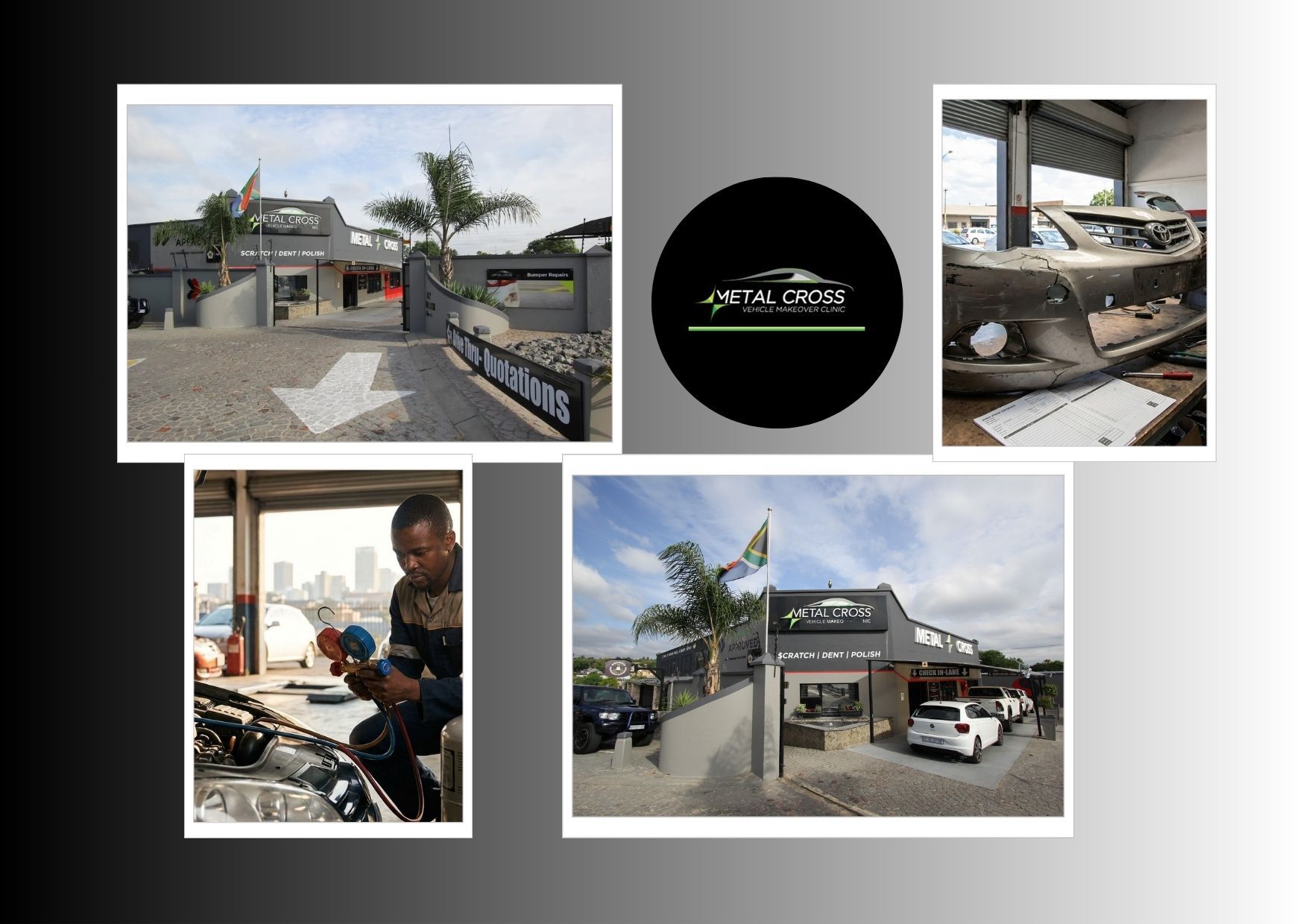
What “respray” costs are really made of
The size of the affected area, the condition of existing paint, and the amount of preparation work all influence car respray prices the labour and materials required. A small repair that needs blending may cost less than a full respray, yet preparation and masking can still be significant. Understanding these components helps you compare quotes fairly between different panel beaters.
Paint systems also vary, and that affects price and finish. Higher-quality primer, basecoat, and clearcoat products tend to improve durability, gloss, and color stability, especially in harsh sun. If your vehicle has metallic or pearl paint, matching the color precisely often takes more time for testing and correction. A detailed quote should outline whether it includes primer surfacing, color matching, clearcoat application, and curing time expectations.
Common pricing drivers you can check before approving
Before you approve work, ask for a written breakdown that covers panel preparation, repair scope, and surface readiness. Dents, scratches, and deep chips require different treatment levels, from spot repair and skim filling to full panel straightening. If bodywork quality is inconsistent, panel beaters the paint will not hide imperfections, which can lead to rework and extra cost. A reliable shop should be comfortable explaining how they assess the panel and what level of sanding and filling is needed.
Another pricing driver is whether the job is localized or full coverage. Localized resprays require careful masking and blending at edges, which can be more time-consuming than expected. Full resprays may demand more disassembly, additional coats, and broader color verification across multiple panels. The type of paint finish matters too, because gloss control and clearcoat thickness must be consistent to avoid mottling or uneven reflectivity.
How to compare panel beaters without getting misled
Ask what thickness standards they target, whether they use a proper primer system for the substrate, and how they handle surface contamination like grease or oxidized paint. Also check whether the quote includes materials for blending, sanding grades, and polishing or final detailing. A cheaper quote that omits key steps can look good at first, but it often fails under water spotting, UV exposure, or minor impacts.
Photographic evidence and a clear process checklist can reduce risk. Look for examples that show before-and-after results for similar damage types, such as stone chips, door scuffs, or scratch-and-dent repairs. Inquire about color matching methods, including how they confirm the shade under different lighting conditions. If the provider can explain their workflow—from assessment to preparation to painting and finishing—you’re more likely to get stable, professional results.
Conclusion
A practical way to manage costs is to request a transparent scope of work and understand which steps directly affect longevity and appearance. Instead of choosing based only on the lowest price, compare what’s included in preparation, paint layering, and final refinement, because these are the parts that determine how the finish wears. When you align expectations with the real drivers of work, it becomes easier to find cost-effective refinishing options without sacrificing quality. For vehicle owners seeking dependable outcomes, metalcross.co.za focuses on quality paintwork and professional results tailored to the specific condition of your car. If you want a reliable estimate, start with a thorough inspection and a written breakdown that matches your exact damage scenario. Then ensure the proposed approach addresses both the repaired area and the need for blending so the color transition looks natural. A shop that prioritizes correct preparation and consistent paint application will usually deliver better value over time. Use that process to compare options confidently and move forward with a respray plan that fits your budget and your vehicle.