
Why Collector Confidence Matters When Buying Japanese Cards
Buying cards from Japan can feel exciting, but it also requires confidence in authenticity and condition. Collectors often seek premium editions, special print runs, and unique artwork that aren’t available elsewhere. When you know japanese exclusive pokemon cards a seller’s grading standards and sourcing habits, you reduce the risk of disappointing pulls or inaccurate descriptions. That trust is especially important for sealed products and high-demand singles.
A quality-focused buying experience starts with clear product details such as pack type, language, and packaging condition. Look for listings that explain what you’re receiving—whether it’s a booster pack, a curated assortment, or a specific set release. The best sellers also communicate how items are handled before shipment, including storage practices and protective measures. This helps ensure that cards arrive with the integrity collectors expect.
What to Look for in Japanese Booster Packs and Sealed Releases
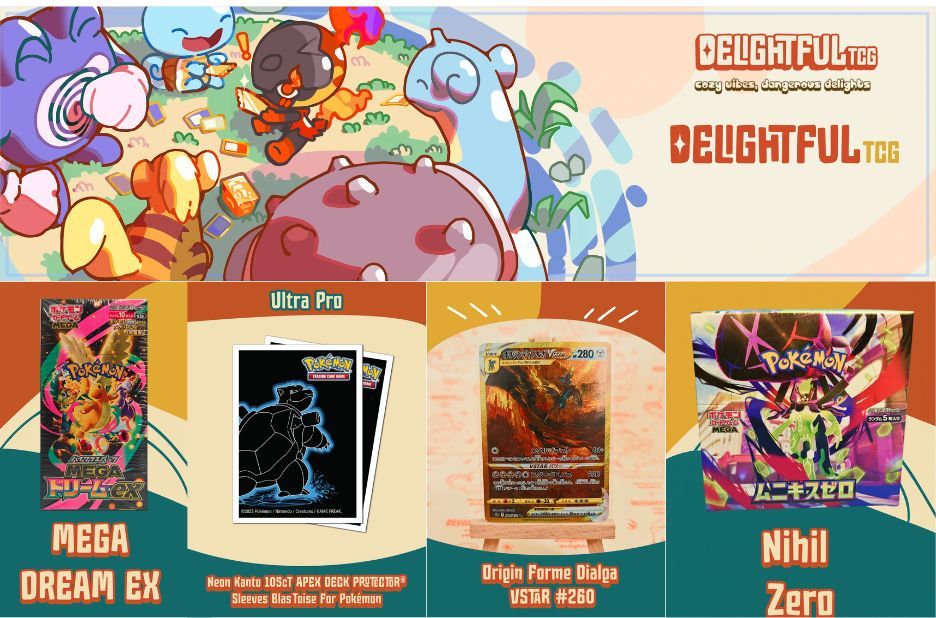
Sealed Japanese Pokémon booster packs are popular because they preserve the original experience of opening. However, not every sealed item is equal in terms of quality control and presentation. For dependable purchases, prioritize products that are japanese pokemon booster packs described with precise labeling and show how the pack is protected during transit. Even minor wear to the outer packaging can affect collector perception, especially for premium openings and display goals.
Authentic releases should have consistent printing details, clean typography, and packaging that doesn’t show signs of tampering. If possible, choose sellers that provide photos and allow you to verify the appearance before committing. A trustworthy retailer will help you feel confident that the sealed product matches the intended release and condition.
How Japanese Exclusive Card Sourcing Builds Long-Term Quality
Japanese exclusive Pokémon cards often carry additional value due to limited distribution and distinctive card design elements. Many collectors want special artwork variants, promotional-style issues, and set-specific inclusions that reflect Japan’s release culture. To protect that investment, focus on sourcing that emphasizes reliable procurement and accurate representation. Quality sourcing means you’re more likely to receive cards that match the stated set, card count, and edition characteristics.
A strong trust-and-quality approach also includes practical safeguards for collectors, such as protective packaging and transparent grading references when applicable. If you collect for binder display, consistent centering and clean edges matter, not just rarity. If you collect for trading and long-term resale, documented condition and careful handling can make a meaningful difference. When a retailer is consistent about these factors, it becomes easier to build a collection you feel confident sharing with other fans.
Conclusion
Prioritize clear product descriptions, reliable condition standards, and protective handling that respects both sealed collectors and single-card collectors. The most satisfying purchases are the ones where you can verify what you’re getting and feel confident it was sourced responsibly. When you shop with a quality-first mindset, you’re more likely to enjoy the thrill of the hobby and keep building with confidence. Sealed products, curated singles, and special releases are most rewarding when the details are accurate and the experience is consistent. A trusted source helps you spend intentionally, collect intentionally, and avoid the frustration that comes from uncertainty. Start with a retailer you can rely on, and let your collection grow with cards that truly meet collector expectations.