
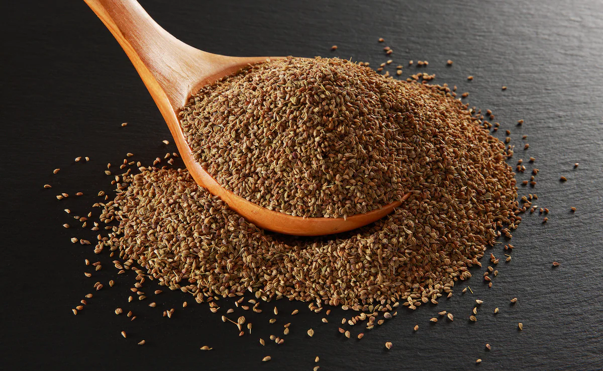
Buying ajwain from overseas sounds simple. It’s not, not really. One supplier sends you exactly what you asked for; the next one sends something that barely resembles the sample. And usually, you don’t find out until the bags are already at your warehouse, which is the worst possible time to find out. That’s the whole reason APEDA certification matters to a buyer sitting on the other side of the world. Somebody’s actually checking the process, not just trusting whatever the exporter says on a call.
Why APEDA Certification Matters
Nobody just applies for APEDA certification and gets it handed over — that’s not how it works. Exporters have to meet real standards on sourcing, processing, packaging, record-keeping, and the whole chain. And an APEDA certified spice exporter has to keep proving it, not pass once and coast for the next ten years. That’s the part buyers actually get something out of: fewer surprises, fewer mislabelled bags, fewer shipments stuck at customs because someone forgot to document something.
Sourcing Quality Ajwain Seeds
It starts in the field. Not the warehouse, not the packing line. The field. Exporters who actually care talk to their farmers directly, sometimes even guide when to harvest so the seeds hit peak oil content before they’re pulled. Too early and they’re weak. Too late and the aroma’s already fading. This is usually the first thing that gets skipped when someone’s chasing volume over quality—and it’s the first thing that separates a real ajwain seeds exporter from someone just reselling whatever shows up at the door.
Cleaning and Grading Batches
Raw ajwain out of the field is a mess, honestly. Stones, husks, bits of plant matter, and seeds of every size were mixed together. Cleaning strips out the debris. Grading sorts by size and color so the batch looks like it was actually put together on purpose. It also catches the immature or damaged seeds before they drag the whole lot down. Tedious work. But skip it, and it shows up the second the buyer opens the bag.
Testing For Safety Standards
Buyers in food or pharma aren’t taking anyone’s word for it — not anymore. They want numbers. Moisture content, pesticide residue, microbial counts, and heavy metals are tested before anything gets sealed. The exporters doing this properly aren’t running one test at the end and calling it a day. It’s checked at the farm stage, again mid-processing, and once more right before the shipment actually leaves.
Packaging That Preserves Freshness
You can nail every other step and still ruin a batch with bad packaging. Moisture sneaks in, seals fail, and aroma fades on a long shipping route. Happens more often than people assume. Moisture-resistant packaging and proper sealing fix most of it. Labeling matters too: batch numbers, origin, and certification details, all clearly printed, not an afterthought. Honestly, this is one of the only parts a buyer can actually check just by looking at the bag in front of them.
Choosing A Reliable Exporter
Anyone can slap “premium quality” on a homepage. Fewer can actually prove it. So ask. Are they APEDA certified? Can they show lab reports? Can they trace a batch back to the actual farm? Not trick questions — just the ones that separate exporters who talk about quality from the ones who’ve built it into how they run things day to day.
Conclusion
Sourcing ajwain from another country doesn’t have to be a roll of the dice every time. An APEDA-certified spice exporter builds quality checks into each stage, not just the final shipment before it ships out. sadbhaavspices.com happens to be one of the businesses that’s built its name around exactly this kind of consistency, treating certification as the baseline rather than a line on a marketing page. For buyers who want the same quality shipment after shipment, that’s really the whole difference.