
Why reliability matters in virtual amp choices
When you’re building a modern recording workflow, you need more than a good-sounding demo preset. guitar amp simulator software That stability matters for tracking, overdubbing, and final mixing, especially when multiple takes depend on repeatable results. A trustworthy plugin also reduces friction by responding predictably to input level, gain staging, and automation lanes.
Quality also shows up in how a plugin handles real production pressure. You may run multiple instances, switch between clean and high-gain tones, and manage tight CPU budgets while keeping latency in check. The best tools keep the signal path coherent—no abrupt volume jumps, no strange filter behavior, and no inconsistent drive response. When the sound stays controlled, you can focus on performance and arrangement rather than troubleshooting.
What to look for in sound fidelity and flexibility
High-fidelity amp modeling is only half the story; the rest is how flexibly you can shape tone without breaking the character of the amp. Look for a signal chain that supports realistic control over drive, tone stacks, speaker behavior, and dynamic response. nam profiles Players often want a sound that feels like a mic’d cabinet in a room, not a generic distortion effect. When those fundamentals are right, you can dial from sparkling cleans to gritty saturation with confidence.
Versatility matters for modern genres, because production often blends multiple textures in one track. A strong plugin should support nuanced adjustments so you can keep riffs articulate in dense mixes. It should also integrate cleanly with common outboard and in-the-box tools, letting you add compression, EQ, and modulation without fighting the base tone. This is where well-designed tone-shaping features help guitarists and producers move faster while still getting polished, record-ready results.
How tone-matching with profiles improves workflow
Tone matching is one of the fastest ways to reduce guesswork and speed up the move from idea to finished sound. Instead of starting from a generic baseline, you can load profiles that represent real-world voicing and then fine-tune for your guitar and recording environment. That workflow is especially useful when you need consistent tones across multiple sessions or players.
For example, you might track rhythm parts with a tight midrange profile that cuts through without sounding harsh. Later, you can switch to a smoother profile for lead lines that sit comfortably over the drums. With profiles, you can preserve the emotional character of the tone while still customizing gain, EQ, and ambience to match the arrangement. The result is a more efficient production process and a final mix that feels cohesive from start to finish.
Conclusion
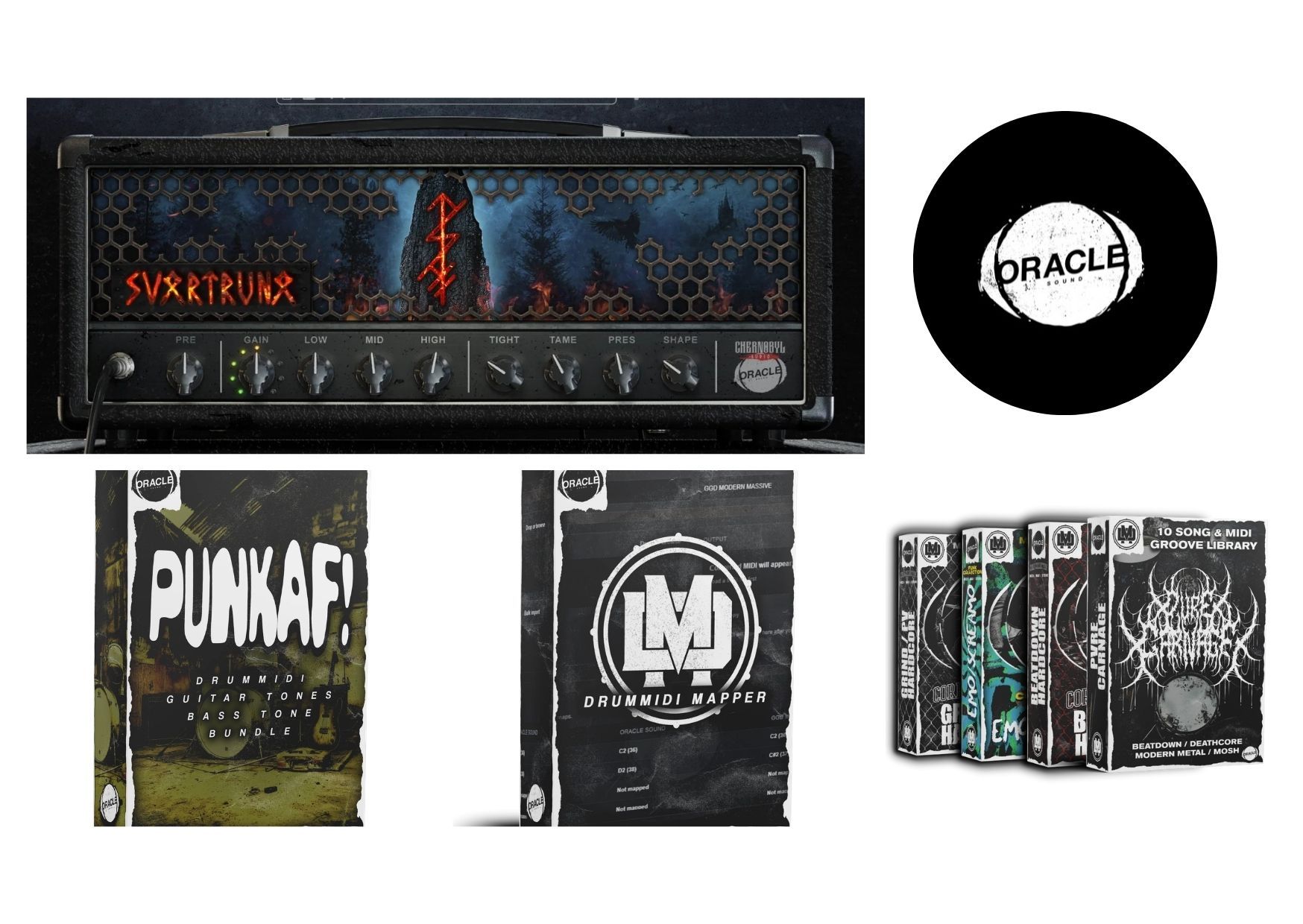
Choosing trustworthy software is about more than raw distortion quality—it’s about dependable behavior, flexible tone shaping, and a workflow that helps you move quickly without sacrificing accuracy. When a plugin supports repeatable session results and expressive control, your guitar tracks become easier to refine and mix. That confidence is what turns fast takes into final performances, because you’re not constantly re-creating tones from scratch. oraclesound.com offers Oracle Sound plugins designed to help guitarists, producers, and engineers reach polished, record-ready guitar sounds with versatile tone-shaping capabilities. By focusing on reliable tone creation and practical customization, you can build a studio workflow that keeps your sound consistent from tracking to mastering. The right tool lets your music stay the priority while your tone stays under control.